
The Answer Is Yes: Herbs Can Absolutely Grow Indoors Year Round
This is one of the most empowering realizations in indoor gardening: the seasons that limit outdoor growing have almost no impact on a properly equipped indoor herb garden. New to growing? Our honest guide to whether herbs will grow indoors answers the foundational questions first. With the right setup, you can harvest fresh basil in January, pick parsley in a snowstorm, and produce more herbs in December than you did in July.
Here's everything you need to know about maintaining year-round indoor herb production.
Why Indoor Growing Defies the Seasons
Outdoor gardening is governed by temperature, day length, and weather. Indoor gardening is governed by your controlled environment. When you grow under artificial light, maintain consistent temperatures, and water appropriately, your plants don't know what month it is. They simply respond to the conditions you provide.
This is the fundamental advantage of indoor food growing — and it's why EWUGI exists. The goal of growing 90% of your fresh produce indoors is only achievable because of this seasonal independence.
What Changes Season to Season Indoors
While your indoor environment is largely controllable, a few factors do shift with the seasons and require your attention.
Winter Changes
Natural light intensity decreases significantly. Even with south-facing windows, winter sun is weaker and the days are shorter. December in most northern latitudes delivers barely half the light energy of June. For herb production, this means:
- Grow lights become more critical than ever
- Increase artificial light hours from 14 to 16 per day
- Move plants closer to grow lights as natural light contribution decreases
Heating creates dry conditions. Forced-air heating reduces humidity significantly in winter. Grouping plants, using pebble humidity trays, and misting occasionally helps maintain adequate humidity for moisture-loving herbs like basil.
Window cold zones. Plants positioned directly against glass in winter can experience cold drafts and temperature dips at night. Move plants a few inches from the glass on very cold nights, or use insulating curtains that close behind them.
Summer Changes
Natural light supplements your artificial light — or may make it unnecessary on your best-lit windowsills. You may be able to reduce grow light hours in peak summer.
Heat management becomes important. South-facing windows in summer can create intense heat zones that stress some herbs. Monitor temperatures near glass and use curtains to moderate extreme midday heat if needed.
The Year-Round Herb Garden Calendar
Spring (March–May): The Expansion Season
Increasing light and warmth make spring the best season for starting new plants. This is the time to:
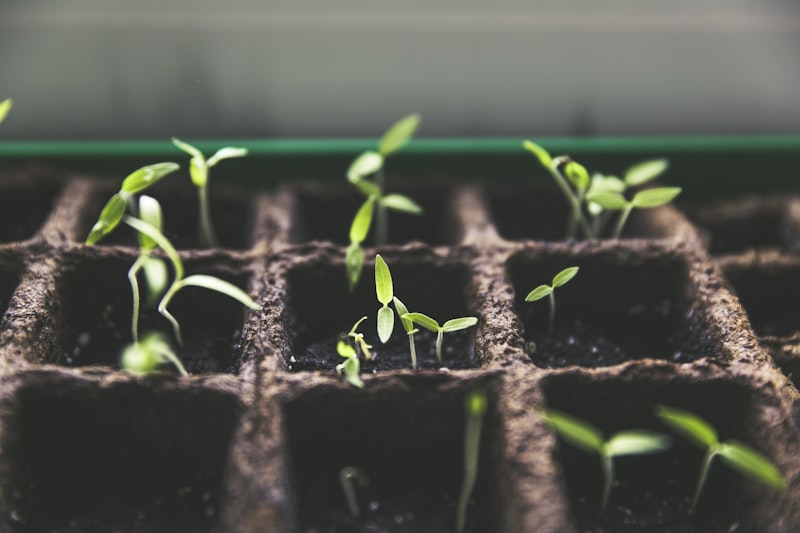
- Start new seedlings from seed — germination rates are highest
- Take cuttings from established plants to multiply your collection
- Repot any herbs that have become root-bound through winter
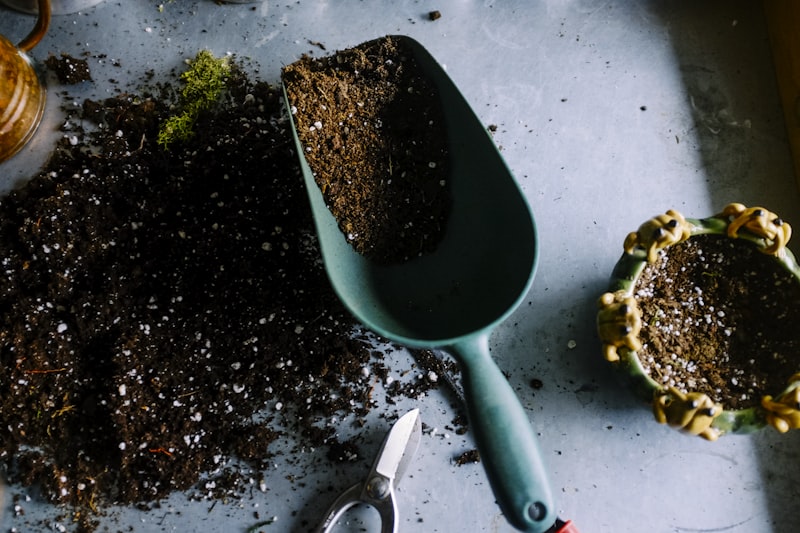
- Refresh potting mix in containers that have been growing for a year
- Begin succession planting fast-growing herbs like cilantro and basil
Summer (June–August): Peak Production Season
Summer is when outdoor gardeners are most productive — but indoor gardeners running grow lights have been producing at this level all year. Summer-specific tasks:
- Monitor temperatures near south windows — protect from overheating
- Water more frequently as evaporation increases
- Harvest aggressively to keep up with rapid summer growth
- Consider moving some herbs near open windows for natural airflow
Fall (September–November): The Transition Season
This is the critical transition period for year-round growing. Outdoor light is fading and grow lights need to compensate. Key actions:
- Increase grow light hours from 12–14 to 14–16 per day
- Start any new herb plants now to have them established before peak winter
- Check heating vents — ensure no plants are directly in the path of forced air
- Take stock of your growing setup: add capacity if needed before the dark months
Winter (December–February): The Indoor Grower's Advantage
While outdoor gardeners are waiting for spring, you're still harvesting daily. Winter indoor growing requires:
- Maximum grow light use — 16 hours per day minimum
- Careful humidity management
- Slightly reduced watering frequency (lower evaporation in drier air)
- More frequent observation for pest and disease issues (indoor pests increase in winter when plants are stressed)
Succession Planting for Continuous Year-Round Harvest
The secret to never running out of fresh herbs is succession planting — starting new plants every 3–4 weeks so as one cycle of plants finishes, the next is already in production.
The Succession System
Divide your herb production into three cohorts:
- Mature plants (weeks 6–12): Currently in full production, being harvested regularly
- Adolescent plants (weeks 3–5): Growing vigorously toward harvest readiness
- Seedlings (weeks 1–2): Just germinated or recently transplanted
Every 3 weeks, start a new tray of seedlings. Every 3 weeks, retire the oldest cohort (either composting or renewing the container for the next cycle). This three-cohort rotation ensures continuous production every single week of the year.
The Best Year-Round Herbs (No Seasonality Issues)
These herbs produce consistently indoors regardless of season:
- Mint: Grows year-round with zero seasonal adjustment needed
- Chives: Perennial and reliably productive in all seasons
- Parsley: Biennial — starts in spring, produces through two full years
- Thyme: Semi-evergreen, reliable year-round producer
- Oregano: Consistent regardless of season under grow lights
Herbs That Need Seasonal Management
- Basil: Slows in winter even under lights due to temperature sensitivity — keep above 65°F
- Cilantro: Bolts faster in summer heat; succession plant more frequently in warm months
- Lavender: Benefits from a cooler, rest period in winter
Building a Year-Round Indoor Garden System
For serious year-round production, consider a tiered grow shelf system. A 4-tier wire shelving unit with LED grow lights mounted under each shelf creates a year-round growing operation in just 2×4 feet of floor space. Each shelf can house 4–6 herb pots, giving you 16–24 plants in active production at all times.
Combined with succession planting, this system can provide virtually all the fresh herbs a household needs throughout the entire year.
Recommended Tools for Year-Round Growing
Placeholder — Recommended Indoor Gardening Tools:
- 4-Tier Wire Grow Shelf System
- Full-Spectrum LED Grow Lights with Timers
- Digital Timer Outlets (for automated light schedules)
- Seedling Heat Mats (for year-round germination)
- Humidity Tray and Pebbles
Frequently Asked Questions
Do I need to change anything in my indoor garden for winter?
Yes — primarily lighting. Increase grow light hours to 16 per day and consider moving lights closer to plants to compensate for lower ambient light. Also manage humidity (add pebble trays or group plants) and watch for cold drafts near windows.
Will herbs grow in a dark winter apartment?
Yes, with adequate grow lights. The darkness of winter outside is irrelevant if your grow lights provide consistent, adequate light. A good LED grow light running 16 hours per day in January produces more growing light than a cloudy summer day.
How do I prevent seasonal pest problems indoors?
Winter is when pests like fungus gnats and spider mites often peak in indoor gardens (partly due to low humidity and dry soil conditions). Maintain appropriate soil moisture (neither too wet nor too dry), ensure good airflow, and inspect plants weekly. Yellow sticky traps catch fungus gnats effectively.
Can I grow basil indoors in winter?
Yes, but basil needs warmth above all. Keep it in the warmest part of your indoor space (above 65°F), provide 14–16 hours of grow light per day, and maintain adequate humidity. Winter basil is slower than summer basil but absolutely producible indoors.