
Why Indoor Gardening Is the Future of Home Food Production
Imagine walking to your kitchen window, snipping fresh basil for your pasta, harvesting crisp lettuce for a salad, and picking ripe cherry tomatoes — all grown right in your own home. This isn't a fantasy. It's what indoor gardening can deliver when you set it up correctly.
At EWUGI — Eat What U Grow Indoors — we believe every home has the potential to produce 90–95% of its fresh produce needs. You don't need a backyard. You don't need a greenhouse. You need the right knowledge, the right setup, and the willingness to start.
What Is Indoor Gardening?
Indoor gardening is the practice of growing plants — including herbs, vegetables, fruits, and microgreens — inside your home using a combination of natural and artificial light, containers, soil or hydroponic systems, and controlled conditions.
Unlike traditional gardening, indoor growing gives you complete control over your environment. No weather delays. No pests sneaking in from outside. No seasonal limitations. You become the steward of your own food ecosystem.
The Core Components of a Successful Indoor Garden
Every productive indoor garden relies on five key pillars:
- Light: Either natural sunlight from south-facing windows or full-spectrum LED grow lights
- Water: Consistent, measured hydration — not over-watering, not under-watering
- Nutrients: Quality potting mix or hydroponic nutrients for vigorous growth
- Airflow: Gentle circulation to strengthen stems and prevent mold
- Space: Vertical solutions to maximize limited square footage
The Best Plants to Start With Indoors
Not every plant thrives indoors. The key to early success is choosing crops that are naturally adapted to lower light and smaller containers. These are the workhorses of the indoor food garden:
Herbs (Highest ROI)
Fresh herbs are the #1 recommended starting point for every indoor gardener. They grow quickly, require minimal space, and provide enormous value per square foot. See our complete guide to the best herbs to grow indoors for a ranked breakdown of the easiest to most challenging varieties. A single basil plant costs $4 at the grocery store per week; growing your own costs pennies.
- Basil — fast-growing, loves warmth, excellent in containers
- Mint — incredibly vigorous, grows in low light, use a separate container
- Chives — minimal care, perennial, bright windowsill performer
- Parsley — steady grower, works under grow lights, culinary essential
- Thyme — drought-tolerant, sunny windowsill star
Leafy Greens (Highest Volume)
Lettuce, spinach, arugula, and kale are designed for indoor growing. They have shallow root systems, don't need direct sun for long periods, and grow fast — you can harvest baby greens in just 3 weeks from seed. These crops are the backbone of a true indoor garden that produces real food.
Microgreens (Fastest Harvest)
Microgreens are the ultimate high-density food crop for indoor spaces. In just 7–14 days, a single flat tray produces a concentrated harvest of nutrient-packed greens. Radish, sunflower, and pea shoots are beginner favorites.
How to Set Up Your First Indoor Garden
Step 1: Choose Your Location
South-facing windows provide the most light in the Northern Hemisphere. East-facing windows offer gentle morning light — ideal for herbs and greens. If natural light is insufficient (anything below 4 hours of direct sun), supplement with grow lights.
Step 2: Select Your Growing System
There are three main approaches for indoor food production:
- Container gardening: The most beginner-friendly. Use quality potting mix in pots with drainage holes. Works for most herbs and some vegetables.
- Hydroponics: Soil-free growing using nutrient-rich water. Produces faster growth and higher yields. Systems like the Kratky method require almost no electricity.
- Vertical growing: Wall-mounted or tower systems that multiply your growing space without expanding your footprint.
Step 3: Get Your Grow Lights Right
This is where most beginners stumble. A "bright" apartment window may provide 200–500 lux of light. Most food crops need 2,000–5,000 lux minimum. A quality full-spectrum LED grow light solves this problem completely and costs less than $50 to run for an entire year.
Step 4: Master Watering
Overwatering kills more indoor plants than anything else. The golden rule: stick your finger 1–2 inches into the soil. For the full watering system, read how often indoor plants should be watered. If it's still moist, wait. If it's dry, water thoroughly until it drains from the bottom. See our complete guide on how often indoor plants should be watered.
Creating a 365-Day Indoor Harvest
The EWUGI goal is year-round food production. This requires succession planting — starting new seeds every 2–3 weeks so you always have plants at different growth stages. For a full seasonal system, see our guide on how to grow herbs indoors year round. When one harvest ends, the next is already weeks away from readiness.
The Succession Planting Calendar
Divide your growing space into thirds. At any given time, you should have:
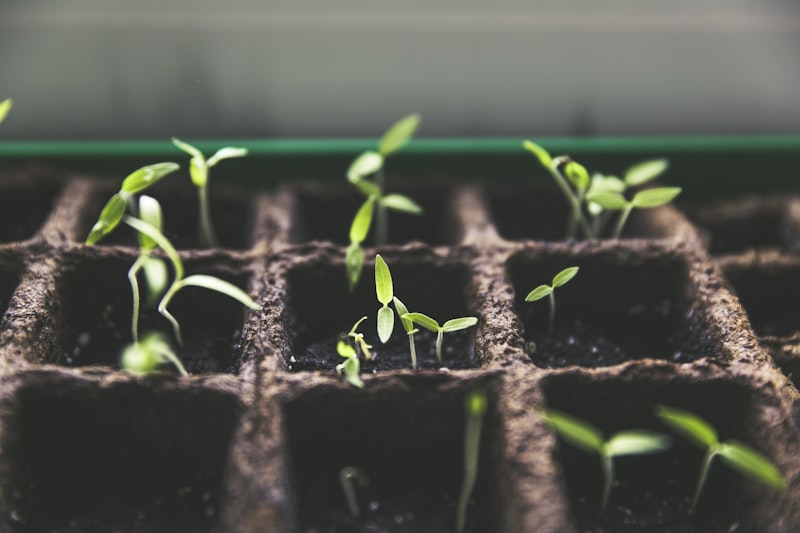
- One-third of your plants in the seedling stage
- One-third actively growing
- One-third ready to harvest
This system ensures a continuous, uninterrupted flow of fresh produce from your indoor garden every single week.
Common Beginner Mistakes to Avoid
Mistake #1: Inadequate Light
The number one failure in indoor gardening. A windowsill alone is rarely enough for food crops. Invest in at least one quality LED grow light from day one.
Mistake #2: Wrong Soil
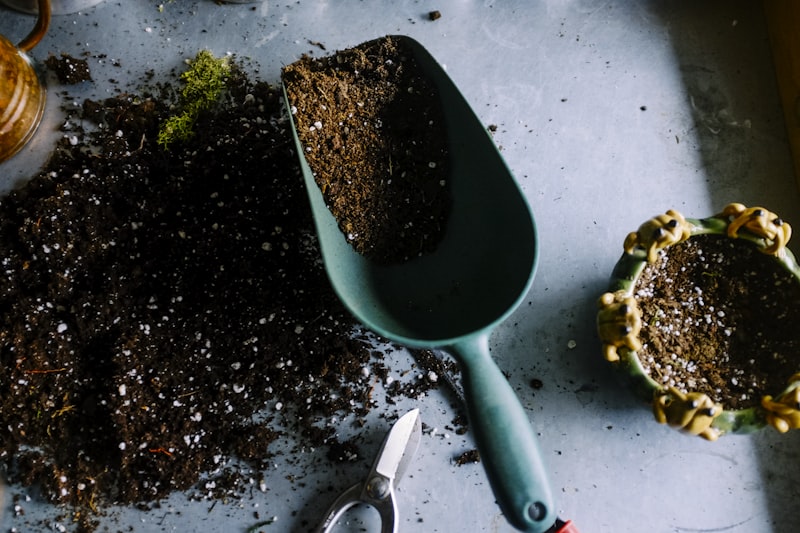
Never use garden soil in containers. It compacts, drains poorly, and can harbor pests. Always use a quality peat-based or coco coir potting mix designed for containers.
Mistake #3: Skipping Drainage
Every pot must have drainage holes. Standing water at the root zone causes root rot — the silent killer of indoor plants. Always elevate containers on saucers and empty standing water within 30 minutes of watering.
Mistake #4: Starting Too Big
Begin with 3–5 plants maximum. Master your watering routine, your light setup, and your observation habits before scaling. Success with small systems builds the confidence to expand.
Building Toward Food Independence
The journey from one basil plant on a windowsill to a home that produces 90% of its fresh food needs is a process — not an overnight transformation. Most EWUGI readers reach their food independence goals within 6–12 months of committed growing.
The key milestones are:
- Month 1–2: Master herbs. Get your light and watering routine down.
- Month 3–4: Add leafy greens. Begin succession planting.
- Month 5–6: Introduce a small hydroponic system for lettuce and basil.
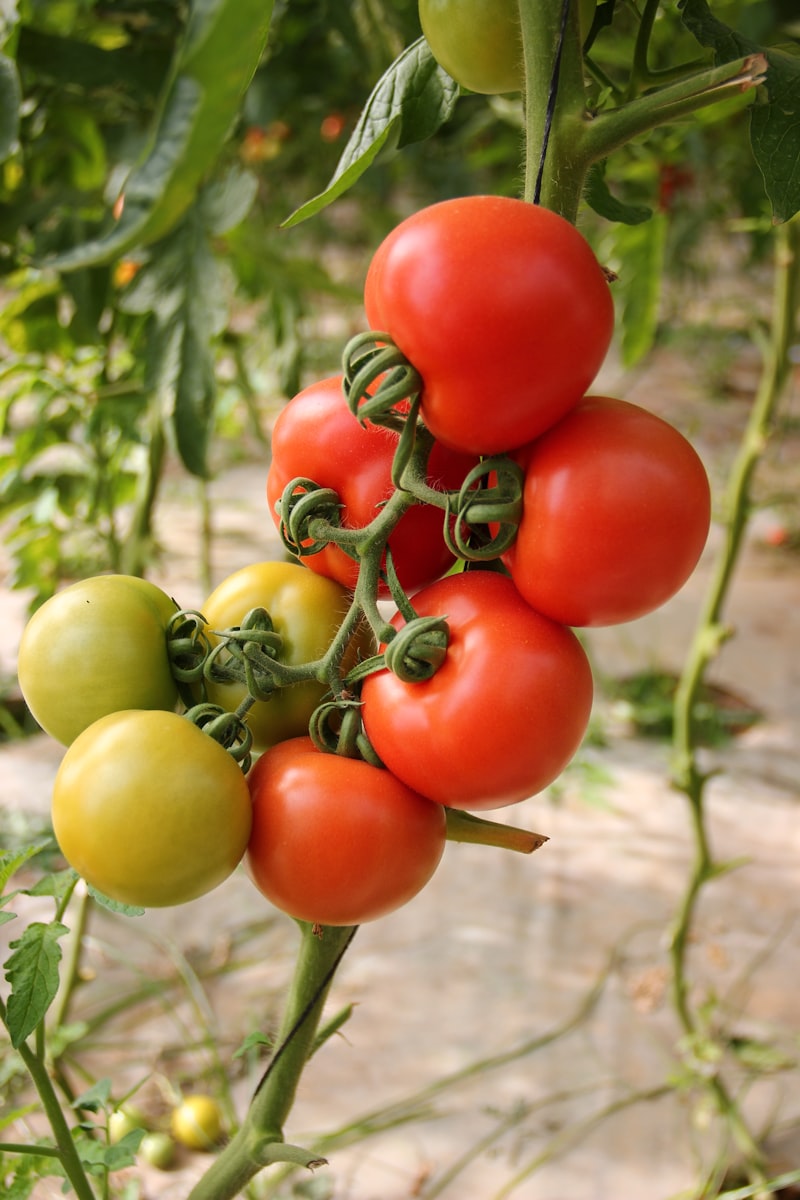
- Month 7–12: Expand to tomatoes, peppers, and root vegetables. Add vertical growing solutions.
Recommended Indoor Gardening Tools
These sections will feature our recommended products for each growing need.
- Full-Spectrum LED Grow Lights
- Herb Starter Seed Kits
- Countertop Hydroponic Systems
- Premium Potting Mix
- Liquid Seaweed Fertilizer
- Grow Tents for Compact Spaces
Frequently Asked Questions
How much space do I need to grow food indoors?
You can begin with as little as one square foot for herbs and microgreens. A 4×4 foot dedicated grow space can produce a significant portion of a household's fresh herb, lettuce, and greens needs year-round.
How long does it take to see results from indoor gardening?
Microgreens are harvestable in 7–14 days. Lettuce and baby greens in 21–30 days. Herbs reach harvestable size in 4–6 weeks from transplant. Most food crops yield their first harvest within 6–10 weeks of starting.
Is indoor gardening expensive?
The initial setup requires investment — primarily in grow lights and containers. However, most setups pay for themselves within 3–6 months when compared to buying organic produce. After that, you're producing food at pennies per pound.
Can I really grow 90% of my produce indoors?
Yes — with a committed, multi-system approach focusing on herbs, leafy greens, microgreens, and select vegetables. The key is diversifying your crops and maximizing vertical space. Families report producing the vast majority of their fresh herb and salad needs within 4–6 months of committed indoor growing.
Do I need a garden shed or special room?
Absolutely not. Many successful EWUGI growers use a corner of their kitchen, a spare closet with grow lights, or a basement shelf system. It's about optimizing the space you have, not having a perfect space.