The Best Herbs to Grow Indoors: A Beginner's Ranked Guide
Growing herbs indoors is the single fastest path to food independence. A small collection of well-chosen herbs can transform your cooking, save you $50–$100 per month on grocery bills, and teach you the fundamentals of indoor growing that apply to all food plants.
But not every herb is equally suited to indoor life. Some thrive in the gentle warmth of a kitchen counter. Others demand full outdoor sun and struggle without it. This guide ranks the best herbs for indoor growing — from easiest to most demanding — so you can build confidence from day one.
The Top 10 Herbs for Indoor Growing
1. Basil — The Indoor Superstar
Basil is the queen of the indoor herb garden. It grows fast, produces abundantly, and rewards regular harvesting with even more growth. For a complete planting walkthrough, see our step-by-step herb growing guide. Basil loves warmth (65–85°F), consistent moisture, and at least 6 hours of light per day.
Best for: Pasta, salads, pesto, pizza
Light needs: 6–8 hours bright light or grow light
Key tip: Pinch flowers immediately to keep leaves producing
2. Mint — The Indestructible Performer
Mint is almost impossible to kill indoors. It grows aggressively, tolerates lower light than most herbs, and thrives in slightly moist soil. The key rule: always grow mint in its own container. It will take over anything it shares space with.
Best for: Teas, cocktails, desserts, savory dishes
Light needs: 4–6 hours, tolerates partial shade
Key tip: Keep in a dedicated pot — mint spreads aggressively
3. Chives — The Low-Maintenance Marvel
Chives are one of the most forgiving herbs you can grow indoors. They tolerate inconsistent watering, grow back reliably after cutting, and ask for very little in return. Cut them like grass — right down to an inch — and watch them regrow within days.
Best for: Soups, baked potatoes, eggs, garnishes
Light needs: 4–6 hours, east-facing window works well
Key tip: They're perennial — one planting lasts for years
4. Parsley — The Steady Producer
Both flat-leaf (Italian) and curly parsley grow well indoors. Parsley is slower to establish than basil but becomes a reliable, long-lasting producer. It's biennial — meaning it will produce for two full growing seasons before setting seed.
Best for: Sauces, soups, garnishes, tabbouleh
Light needs: 6 hours minimum
Key tip: Harvest outer stems first to encourage continuous growth
5. Thyme — The Mediterranean Windowsill Warrior
Thyme is a compact, woody herb that loves dry conditions and bright light. It's more drought-tolerant than most herbs, making it ideal for gardeners who sometimes forget to water. A south-facing windowsill is its ideal home.
Best for: Roasts, stews, marinades, compound butter
Light needs: 6–8 hours of bright light
Key tip: Let soil dry between waterings — thyme hates wet feet
6. Oregano — The Hands-Off Herb
Like thyme, oregano is a Mediterranean herb that prefers dry conditions and intense light. Once established, it requires minimal attention. Greek oregano is more flavorful than common oregano and just as easy to grow.
Best for: Italian cooking, pizza, tomato sauces, grilling
Light needs: 6–8 hours
Key tip: Harvest before it flowers for maximum flavor concentration
7. Rosemary — The Committed Grower's Reward
Rosemary is slightly more challenging indoors but absolutely achievable. It needs excellent drainage, lots of light, and consistent airflow to prevent powdery mildew. When it thrives, a single rosemary plant can last for years and grow into a substantial bush.
Best for: Roasts, focaccia, compound oils, potatoes
Light needs: 8 hours, grow light recommended
Key tip: Use a terracotta pot for better drainage and airflow
8. Cilantro — The Fast-Cycle Herb
Cilantro bolts (goes to seed) faster than almost any herb when stressed by heat or inconsistent light. The trick: grow it cool (60–70°F), keep light moderate, and harvest young. When it bolts, let it go to seed — you can use coriander seeds and start new plants from them.
Best for: Mexican, Asian, and Middle Eastern cooking
Light needs: 4–6 hours, cooler temperatures
Key tip: Succession plant every 3–4 weeks for continuous harvest
9. Lemon Balm — The Underrated Gem
Lemon balm is one of the most underused indoor herbs. It's fast-growing, highly aromatic, incredibly productive, and has a beautiful lemon-mint flavor that works in teas, salads, desserts, and savory dishes alike. Grow it like mint — in its own container with regular harvesting.
Best for: Herbal teas, desserts, salads, marinades
Light needs: 4–6 hours
Key tip: Cut it back hard regularly to encourage bushy, compact growth
10. Bay Laurel — The Long Game
Bay laurel is a slow-growing woody herb that can become a beautiful, productive houseplant over time. It won't produce leaves as quickly as the other herbs on this list, but its longevity and culinary value are unmatched. A mature bay plant is something you keep for decades.
Best for: Soups, stews, braised dishes, stocks
Light needs: 6–8 hours
Key tip: Grow in a large container — it will eventually become a tree
How to Grow Herbs Indoors from Seeds
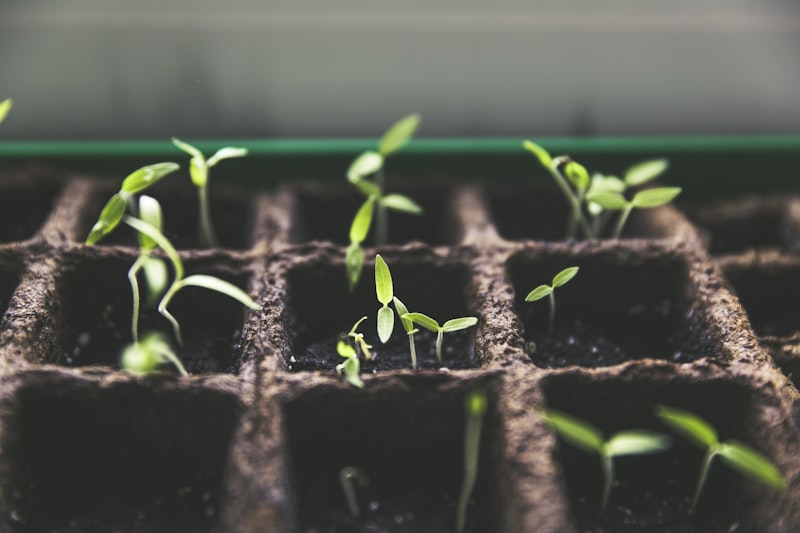
Learning how to grow herbs indoors from seeds is more cost-effective than buying transplants. For a full setup guide, see our beginner's setup guide for growing herbs indoors. It also gives you access to a wider variety of herbs than any garden center carries. Start seeds in small cells using a quality seed-starting mix, maintain 70–75°F soil temperature with a heat mat, and keep consistently moist until germination. Most herb seeds germinate in 7–21 days.
The Essential Indoor Herb Setup
For 6–10 herb varieties, you need:
- 4–6 inch terracotta or plastic pots (one per herb, or grouped in larger planters)
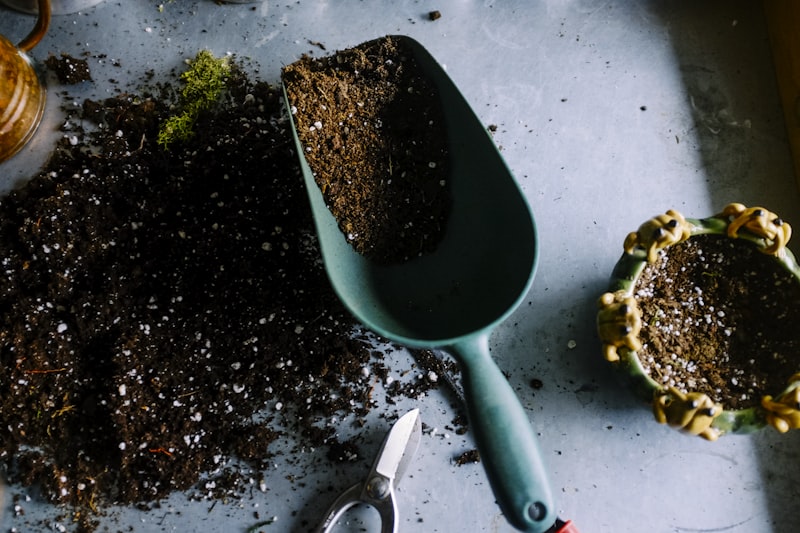
- Quality potting mix with perlite for drainage
- Full-spectrum LED grow light (if window light is under 4 hours direct sun)
- Small fan for airflow
- Spray bottle for humidity, watering can for regular watering
- Liquid fertilizer — organic fish emulsion or seaweed extract
Beginner Mistakes with Indoor Herbs
Grouping Mint with Other Herbs
Mint's root system is invasive. Always grow it separately. A mint plant sharing a container with basil will eventually crowd out everything else.
Watering on a Schedule Instead of by Feel
Different herbs have different moisture needs. Water when the top inch of soil is dry for moisture-loving herbs (basil, parsley, cilantro) and when the top 2 inches are dry for Mediterranean herbs (thyme, oregano, rosemary).
Not Harvesting Enough
Many beginners are afraid to harvest too much. This is backwards. Regular harvesting stimulates branching and more vigorous growth. For basil especially, frequent pinching is essential — never let it flower.
Recommended Indoor Herb Tools
Placeholder — Recommended Indoor Gardening Tools:
- Herb Starter Seed Kit (10-variety indoor herb collection)
- Compact LED Grow Light Panel
- Self-Watering Herb Planters
- Organic Herb Potting Mix
- Liquid Seaweed Fertilizer
Frequently Asked Questions
Which herbs grow best in low light indoors?
Mint, chives, parsley, and lemon balm are the best options for lower-light situations (2–4 hours of natural light). They tolerate shade better than Mediterranean herbs like basil, thyme, and rosemary.
How many herbs can I grow in one pot?
You can group 2–3 compatible herbs in a large planter (8–10 inches). Good combos: thyme + oregano + rosemary (all Mediterranean, similar water needs). Avoid mixing mint with anything. Basil and parsley can coexist in a larger pot.
Can I grow herbs from grocery store cuttings?
Yes, for many herbs. Basil, mint, and rosemary root easily from stem cuttings placed in water. Strip the lower leaves, leave 2–3 leaves at the top, and place in a glass of water in a bright window. Roots appear in 7–14 days.
Do indoor herbs need fertilizer?
Yes. Container soil depletes nutrients faster than garden beds. Feed herbs with a diluted liquid fertilizer every 2–4 weeks during active growth. Organic fish emulsion or seaweed extract are excellent choices for culinary herbs.