The Honest Truth About Growing Herbs Indoors
Every beginning indoor gardener faces the same experience: some herbs explode with growth and produce more than they can use, while others struggle, turn yellow, go leggy, or simply die without explanation.
This guide cuts through the confusion. We'll tell you exactly which herbs work brilliantly indoors, which ones are challenging, and precisely why — along with the fixes that change everything.
Tier 1: Herbs That Almost Always Succeed Indoors
Mint — Nearly Indestructible
If there's one herb you absolutely cannot kill indoors, it's mint. It tolerates low light, inconsistent watering, temperature fluctuations, and neglect. Its only failure mode is being crowded by or crowding other plants. Solution: Always grow mint in its own dedicated container.
Chives — Set and Forget
Chives are the most reliable indoor herb for consistent, low-effort production. They tolerate partial shade, bounce back from over-watering, and regenerate quickly after heavy cutting. They're also perennial — one planting continues producing for years with minimal attention.
Lemon Balm — The Overlooked Workhorse
Lemon balm is massively underrated in the indoor herb world. It grows almost as vigorously as mint, tolerates lower light, and produces abundantly. Its lemon-mint flavor works in teas, cooking, and desserts. If you're not growing lemon balm indoors, you're leaving production value on the table.
Tier 2: Herbs That Thrive with Proper Setup
Basil — High Reward, Specific Needs
Basil is the most popular indoor herb and also the most misunderstood. When it fails indoors, it's almost always due to insufficient light. Basil needs 6–8 hours of direct or grow light per day. In less, it grows leggy, pale, and eventually collapses.
What works: South-facing window or dedicated grow light, warm temperatures (above 60°F consistently), regular harvesting before flowering.
What fails: North-facing window, temperatures below 55°F, infrequent harvesting.
Parsley — Slow but Reliable
Parsley takes longer to establish than basil but becomes a remarkably productive indoor plant. Its main challenge: germination. Learn which herbs work best for beginners in our guide to the best herbs to grow indoors. Parsley seeds can take 3–4 weeks to sprout — far longer than most people expect. Many beginners assume the seeds have failed and discard them before they ever emerge.
What works: Soaking seeds for 24 hours before planting, heat mat for germination, patient watering.
What fails: Giving up on germination too early, overwatering during establishment.
Thyme — Needs Good Light and Dry Periods
Thyme is Mediterranean. It evolved in hot, dry, rocky environments with intense sunlight. Indoors, it needs the sunniest window you have — or a quality grow light. The most common mistake: overwatering. Thyme should dry out almost completely between waterings.
Tier 3: Herbs That Require More Experience
Rosemary — Beautiful but Demanding
Rosemary is the most challenging common culinary herb for indoor growing. It needs 8+ hours of intense light, excellent drainage, consistent airflow (to prevent mildew), and precise watering — enough to prevent drought stress but never so much that roots sit wet. When it works, it's magnificent. When it fails, it usually collapses suddenly with no obvious warning.
Success protocol: Terracotta pot, sandy well-draining mix, south-facing window or powerful grow light, small fan for airflow, water only when completely dry. See our full guide to growing indoor herbs step by step for detailed rosemary care.
Cilantro — The Bolting Challenge
Cilantro bolts (goes to seed) when stressed. Any combination of heat, inconsistent light, or inadequate water sends it racing to flower. The key to indoor cilantro success is cool temperatures, consistent moisture, and succession planting every 3–4 weeks to always have fresh plants in production.
Lavender — For Committed Growers Only
Lavender is technically possible indoors but requires very high light intensity (8+ hours), perfect drainage, and cool temperatures for flowering. It's a beautiful plant, but as a food/herb production crop indoors, it's more effort than most beginners should take on initially.
Common Failure Patterns and Their Solutions
Failure: Leggy, Stretched Growth
Cause: Insufficient light. Plants stretch toward light sources when they don't get enough, producing weak, spindly stems.
Solution: Move closer to a light source or add/upgrade a grow light. Position grow lights 6–18 inches above plants for adequate intensity.
Failure: Yellow Leaves
Cause: Usually overwatering, occasionally underfeeding. Yellow leaves from overwatering typically start at the bottom of the plant and work upward.
Solution: Check drainage, reduce watering frequency, and let soil dry properly between waterings. If the problem is nutrient-related, begin a regular fertilizing schedule.
Failure: Wilting Despite Moist Soil
Cause: Root rot. When roots sit in waterlogged soil, they can't uptake oxygen or water — the plant wilts even though the soil appears wet. This is a death spiral if not caught early.
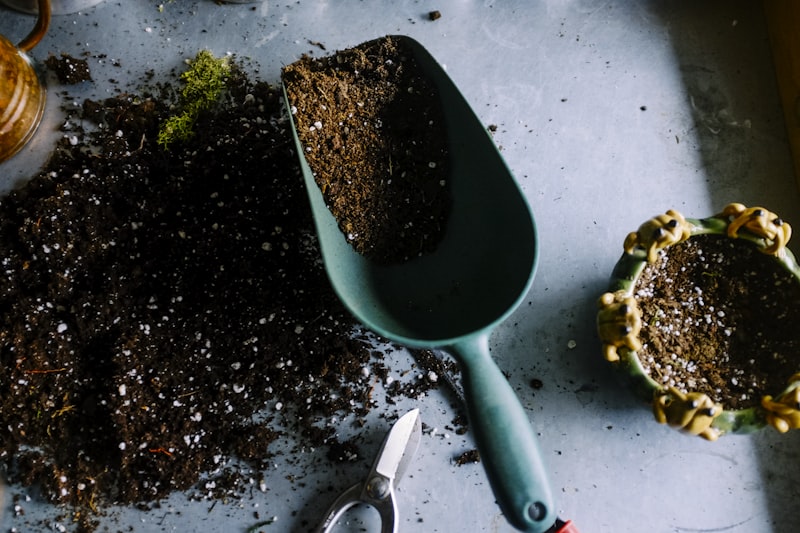
Solution: Remove the plant, inspect roots (healthy roots are white; rotted roots are brown and mushy), cut away damaged roots with sterile scissors, repot in fresh dry mix, and withhold water for several days.
Failure: Rapid Flowering Without Leaf Production
Cause: Bolting, triggered by heat stress, inconsistent moisture, or the plant's natural cycle. Once a plant flowers, it redirects energy from leaf production to seed production.
Solution: Pinch flower buds immediately when they appear. For chronic bolters like cilantro, succession planting is the only reliable long-term solution.
The Setup Factors That Make or Break Indoor Herb Success
Factor 1: Light Quality and Duration
This is the single most impactful factor in indoor herb success or failure. No amount of quality soil, perfect watering, or expensive fertilizer compensates for inadequate light. If your herbs are struggling and you haven't addressed lighting, start there.
Factor 2: Drainage
Proper drainage (drainage holes + appropriate soil mix) is the difference between thriving and dying for most herb species. This is non-negotiable.
Factor 3: Temperature Consistency
Most culinary herbs prefer temperatures between 60–75°F. Avoid positioning plants near air conditioning vents, cold drafts from windows in winter, or heat sources that create inconsistent temperature swings.
Factor 4: Airflow
Stagnant air is the friend of fungal diseases. A small desktop fan running for a few hours a day provides enough airflow to strengthen plant stems and prevent powdery mildew — especially important for rosemary and basil.
Recommended Tools for Herb Success
Placeholder — Recommended Indoor Gardening Tools:
- Moisture Meter (removes guesswork from watering)
- Full-Spectrum LED Grow Light
- Terracotta Pot Set with Drainage Holes
- Well-Draining Herb Potting Mix
- Small USB Desktop Fan for Airflow
Frequently Asked Questions
Why do my indoor herbs keep dying?
The most common causes, in order: overwatering, insufficient light, poor drainage, and wrong soil type. Start by addressing drainage and light — these two factors account for 80% of indoor herb failures.
Is it normal for herbs to look different indoors vs. at the garden center?
Yes. Greenhouse-grown herbs are accustomed to high light intensity. When brought indoors, they often drop lower leaves or look slightly stressed during the first 1–2 weeks as they adjust. This is normal acclimation, not failure.
Can I revive a dying indoor herb?
Often yes, if caught early. Leggy plants can be cut back hard and given better light. Overwatered plants can be repotted in fresh dry mix. The exception is root rot — which can be addressed if caught early but is fatal if allowed to progress.
Why does my basil keep flowering?
Basil flowers when stressed by heat, inconsistent watering, or when the plant matures. Pinch flower buds as soon as they appear. Once basil goes fully to seed, leaf production stops. Regular harvesting is the best preventive measure.