How to Build an Indoor Garden That Actually Feeds You
The difference between decorating your windowsill with a single basil plant and building a home that produces 90% of its fresh produce needs is a shift in thinking — from plant as decoration to plant as infrastructure.
This is the comprehensive guide to building a serious indoor food garden. One that doesn't just provide occasional fresh herbs but systematically, reliably supplies the bulk of the fresh vegetables, greens, and herbs your household consumes.
Setting the Production Goal: What "90% of Fresh Produce" Actually Means
Before designing your indoor garden, clarify what you're trying to produce. "Fresh produce" for most households consists of:
- Salad greens and lettuce (consumed multiple times weekly)
- Fresh culinary herbs (basil, parsley, cilantro, chives, thyme, oregano)
- Microgreens and sprouts (nutritional density per square foot)
- Cherry tomatoes and small peppers (secondary production)
- Green onions and radishes (fast-cycle, compact crops)
Achieving 90% indoor supply of these categories is very realistic. Replacing 90% of your root vegetables (potatoes, carrots) and large vegetables (broccoli, cauliflower, large tomatoes) indoors is more challenging and requires significant space investment.
The smart strategy: focus your indoor growing on high-value, high-frequency crops where indoor growing offers the greatest advantage.
The Four Pillars of Real Food Production Indoors
Pillar 1: Volume — Enough Plants to Meet Real Demand
Most people underestimate how many plants they need for meaningful food contribution. A household that eats salads 5 nights per week needs approximately:
- 4–6 lettuce/greens plants in active production at all times
- A microgreens tray harvesting every 7–14 days
- 6–10 herb plants for culinary use
Achieving this volume requires thinking beyond a few pots on a windowsill. You need a dedicated growing system — whether a countertop unit, a tiered shelf, or a grow tent.
Pillar 2: Variety — Diverse Crops for Nutritional Completeness
Growing only basil provides flavor but not nutrition. A productive indoor garden includes:
- Leafy greens: Lettuce, spinach, arugula, kale, chard
- Culinary herbs: Basil, parsley, cilantro, chives, thyme, oregano
- Microgreens: Radish, sunflower, pea shoots, broccoli, mustard
- Fruiting plants: Cherry tomatoes, small peppers, cucumbers (for advanced growers)
- Alliums: Green onions, garlic chives
Pillar 3: Continuity — Never Running Out
Volume and variety mean nothing if your harvests are uneven — overwhelming abundance one week, nothing the next. Succession planting and staggered growing cycles smooth production into a steady, reliable weekly supply. See our guide on how to grow herbs indoors year round for the full succession system.
Pillar 4: Systems — Matching Crops to Appropriate Growing Methods
Different crops thrive in different systems. The most productive indoor food garden uses multiple methods:
- Container growing: Best for herbs and compact vegetables
- Hydroponics: Best for lettuce, greens, basil, and fast-cycle crops
- Microgreen trays: Best for nutritional density and fast harvests
- Vertical systems: Best for maximizing yield per square foot
The Hydroponic Advantage for Real Food Production
Hydroponic growing — cultivating plants in nutrient-enriched water without soil — is the highest-yield method for indoor food production. If you're new to this, start with our indoor gardening beginner's guide to understand the core concepts first. The reasons:
- Plants grow 30–50% faster than in soil when nutrition and light are optimized
- No soil means no soil-borne pests and diseases
- Water is used with extreme efficiency — 90% less than soil-based growing
- Nutrient delivery is precise and controllable
- Harvesting is cleaner and easier
Best Hydroponic System for Beginners
The Kratky method is the simplest hydroponic system and requires no electricity beyond a grow light. Simply fill a container with nutrient solution, position the plant so roots partially contact the solution, and allow the gap between water surface and root base to create an air zone as water is consumed. Lettuce, herbs, and greens thrive in Kratky systems.
For More Advanced Production
DWC (Deep Water Culture) and NFT (Nutrient Film Technique) systems with small water pumps provide even faster growth and higher yields. These require slightly more setup and management but can produce stunning quantities of leafy greens and herbs from remarkably small spaces.
Growing Herbs Indoors from Seeds at Scale
Learning how to grow herbs indoors from seeds is essential for serious food production. Buying transplants at $4–8 each is cost-effective for 3–4 herbs but becomes expensive when you're maintaining 20+ plants continuously. Seeds cost pennies each and are available in far greater variety than any garden center stocks.
Seed Starting Infrastructure
For continuous seed starting at scale, you need:
- Seedling heat mat (maintains 70–75°F for optimal germination)
- Humidity domes
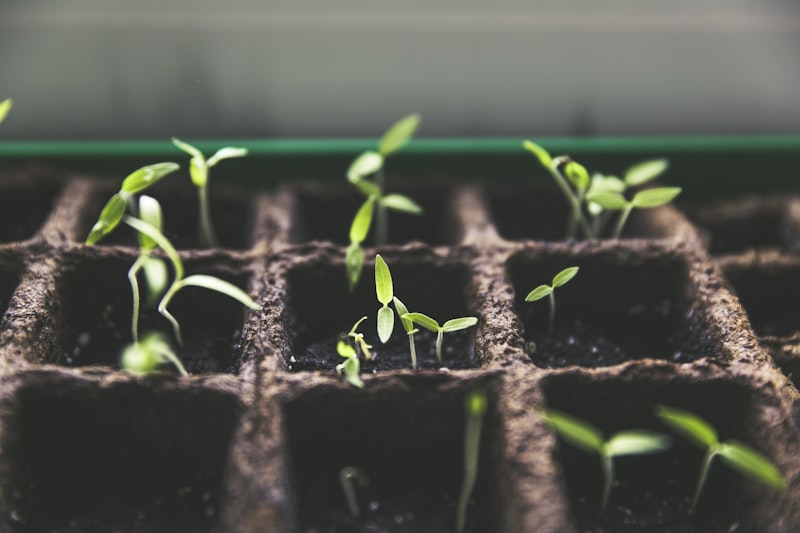
- Seed starting trays (72-cell or 128-cell)
- Quality seed starting mix (lighter than potting mix)
- Dedicated seedling grow light positioned close (6–8 inches) to seedlings
The Room-by-Room Indoor Food Production Guide
The Kitchen: Herbs and Greens
Keep your highest-use, fastest-harvested plants here. A countertop hydroponic system or 2–3 shelves with grow lights and containers of herbs and baby greens means dinner ingredients are always within reach.
The Living Room: The Statement Grow System
A vertical tower garden or a beautifully designed tiered shelf system isn't just food production — it's a living installation. These systems can produce substantial quantities of greens and herbs while enhancing the aesthetic of the space.
The Spare Room or Basement: High-Volume Production
A spare room with full-spectrum lighting, tiered shelving, and a hydroponic setup can produce extraordinary quantities of food. This is where you move from supplementing your produce needs to genuinely replacing them — growing multiple varieties of lettuce, herbs, microgreens, and compact vegetables simultaneously.
The 12-Month Production Roadmap
Months 1–2: Foundation Phase
Establish your herb collection. Get your lighting right. Master watering. Start with 4–6 herb varieties and a small microgreens operation. Goal: harvest something every week.
Months 3–4: Expansion Phase
Add leafy greens. Set up succession planting rotation. Begin growing from seed. Add a basic hydroponic system for lettuce production. Goal: produce 30% of your fresh herb and salad needs.
Months 5–6: Systems Phase
Upgrade lighting and growing capacity. Introduce compact vegetables (cherry tomatoes, peppers) for summer production. Establish regular fertilization schedule. Goal: produce 60% of fresh herb, greens, and microgreen needs.
Months 7–12: Food Independence Phase
Scale to full capacity. Introduce vertical growing solutions. Master year-round succession planting. Expand crop diversity. Goal: 90% of household fresh produce from indoor growing.
Beginner Mistakes That Prevent Real Food Production
Mistake 1: Light Starvation
The biggest barrier to real food production indoors. Window light alone is insufficient for serious yields. Invest in quality full-spectrum LED grow lights — they are the engine of every productive indoor food garden.
Mistake 2: Thinking Too Small
One basil plant does not a food garden make. Real production requires volume. Think in terms of systems, not individual pots.
Mistake 3: No Plan for Continuity
Growing plants until they're spent and then having nothing in the pipeline is the most common gap in indoor food production. Build the succession system from day one.
Mistake 4: Neglecting Airflow
Stagnant air promotes disease and weakens plants. A small fan providing gentle airflow for a few hours daily makes a measurable difference in plant health and productivity. Wind literally strengthens plant cell walls through a process called thigmomorphogenesis.
Mistake 5: The Drowning Syndrome
Watering on a schedule rather than by need. Overwatered plants cannot uptake water or nutrients. Master the finger test and water by plant need, not calendar date. See our complete guide on how often indoor plants should be watered.
Recommended Tools for Real Food Production
Placeholder — Recommended Indoor Gardening Tools:
- Vertical Hydroponic Tower System (maximum yield per square foot)
- Full-Spectrum LED Array Panel
- 4-Tier Growing Shelf System
- Kratky Hydroponic System Kit for Lettuce
- Microgreen Growing Kit
- Organic Liquid Seaweed Fertilizer
- Seedling Heat Mat with Thermostat
Frequently Asked Questions
How much space do I realistically need to produce 90% of my fresh produce?
For a two-person household focused on herbs, greens, and microgreens, 16–24 square feet of dedicated growing space (achievable with tiered shelving) provides most fresh produce needs. Expanding to include fruiting vegetables requires more space — 40–60 square feet for meaningful contribution from tomatoes and peppers.
Is indoor food production cost-effective?
Yes, within 12–18 months. Initial setup for a serious system costs $200–600. Annual operating costs (seeds, nutrients, electricity) run $100–200. Annual produce replacement value: $800–1,500+ for a household consuming significant quantities of fresh herbs, greens, and vegetables. The ROI compounds over time.
Can I grow enough food indoors to significantly reduce my grocery bill?
Absolutely. Most EWUGI growers report reducing fresh produce grocery spending by 60–80% within 6–9 months of committed growing. The key is focusing on the high-cost, high-frequency items: fresh herbs, organic greens, microgreens, and cherry tomatoes.
What's the single best first step toward serious indoor food production?
Install a quality LED grow light. Every other element of an indoor food system can be improved gradually, but inadequate lighting limits everything else. A good grow light — the right spectrum, adequate intensity, on a timer — transforms what's possible in any indoor growing space.