Why Grow Tomatoes Indoors?
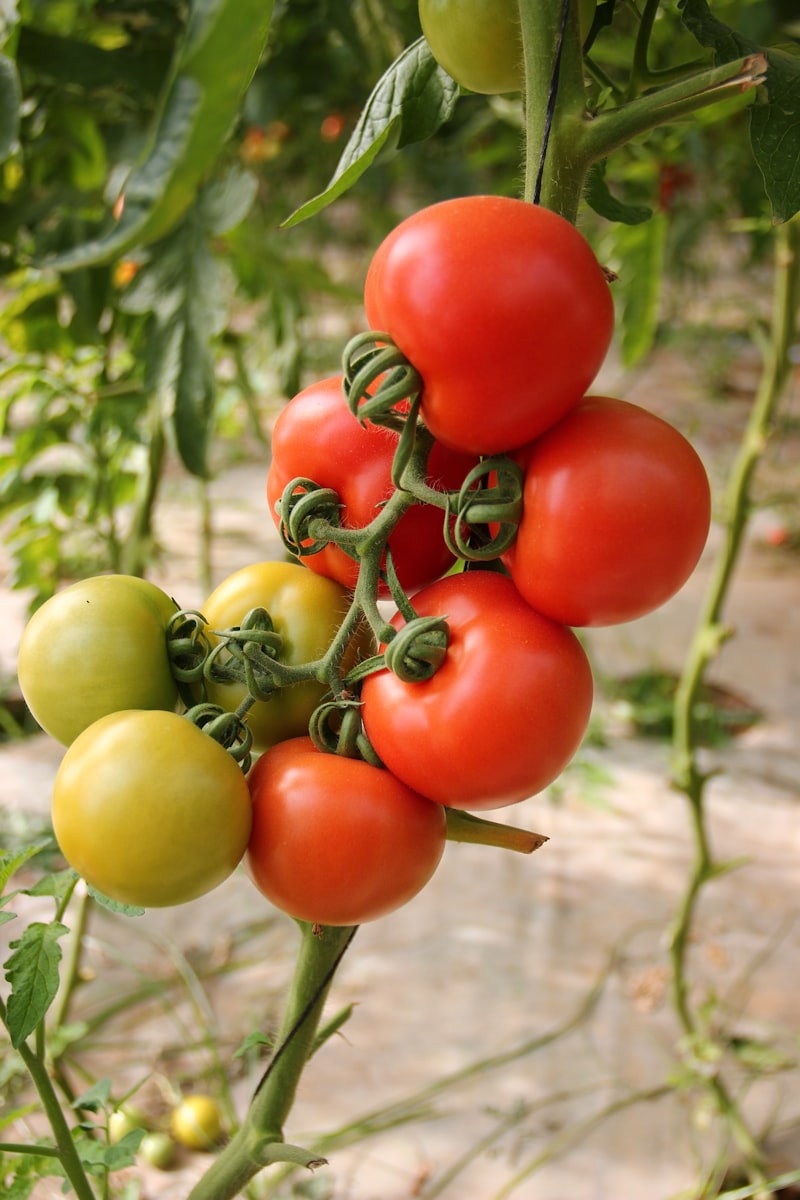
There is nothing quite like the flavor of a homegrown tomato, and at EWUGI, we believe you shouldn't have to wait for summer to enjoy them. Learning how to grow tomatoes indoors opens up a world of culinary possibilities, allowing you to harvest fresh produce even in the dead of winter. Whether you are a city dweller with limited space or someone looking to extend your growing season, indoor tomato cultivation is both rewarding and achievable.
If you are new to this hobby, check out our indoor gardening beginner's guide to get the basics down before jumping into specific crops.
Choosing the Right Tomato Varieties
The secret to success when you learn how to grow tomatoes indoors is selecting the correct variety. Not all tomatoes are built for life inside a home. You want to focus on determinate or dwarf varieties that remain compact.
- Tiny Tim: A classic choice for containers, producing cherry-sized fruits.
- Micro Tom: The smallest tomato plant in the world, perfect for windowsills.
- Red Robin: Compact and highly productive, perfect for recommended products like LED grow lights.
Avoid indeterminate "vining" tomatoes unless you have significant ceiling height and a trellis system, as they can grow up to 10 feet tall!
Essential Supplies for Indoor Tomato Success
To master how to grow tomatoes indoors, you need the right setup. Tomatoes are "heavy feeders" and sun-worshippers, so you cannot skimp on the environment. For a list of top-tier tools, browse our recommended products page.
Lighting Requirements
Tomatoes need at least 12 to 16 hours of bright, direct light daily. A sunny south-facing window is rarely enough. Invest in high-quality full-spectrum LED grow lights like these highly-rated options to ensure your plants don't become leggy.
Pots and Soil
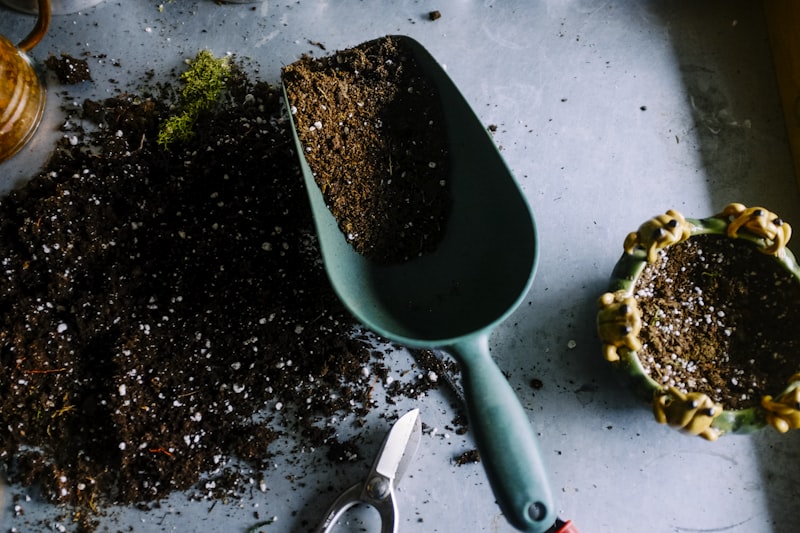
Use pots with excellent drainage. A 5-gallon container is typically sufficient for one dwarf tomato plant. Use a high-quality potting mix enriched with organic compost. Avoid garden soil, which can harbor pests and diseases.
Planting and Maintenance
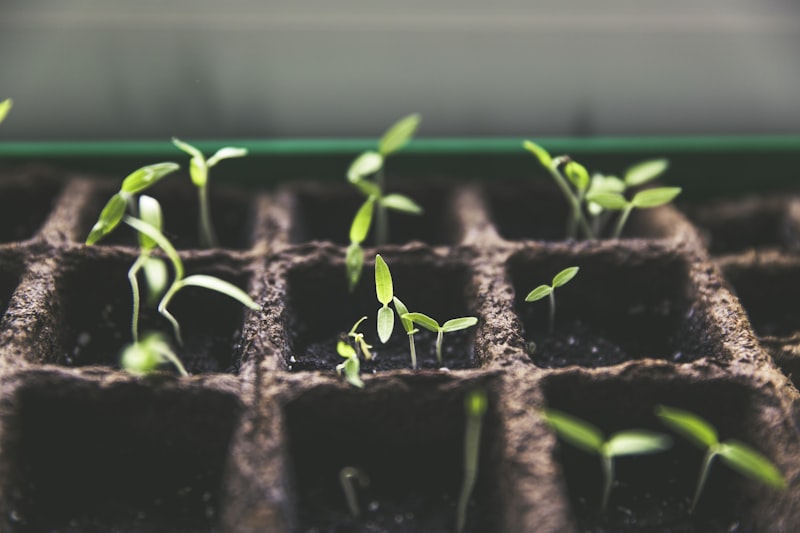
Start your seeds in small starter trays or peat pots. Once they have their first set of "true leaves," transplant them into their permanent containers. Keep the soil consistently moist but never waterlogged—learn more about best practices in our guide on how often should indoor plants be watered.
Pollination
Since you are indoors, you won't have bees to do the work for you. Tomatoes are self-pollinating, but they need a little help. Gently shake the plant stems once a day once flowers appear, or use a small electric toothbrush to vibrate the flowers, which releases the pollen.
Nutrient Management
Tomatoes need a steady supply of nutrients. Use a balanced, water-soluble organic fertilizer every two weeks once the plant starts flowering. If your plants look yellow, they may be craving more nitrogen or magnesium.
Frequently Asked Questions
Do I really need grow lights to grow tomatoes indoors?
Yes. Even in the sunniest window, the light intensity is usually insufficient for tomatoes. Using supplemental LED grow lights is the single most important factor in determining if you will get fruit or just a leafy, unproductive plant.
Can I grow tomatoes in a hydroponic system?
Absolutely! Many indoor gardeners use hydroponics to speed up the growing process. It requires less soil and provides nutrients directly to the roots, often resulting in faster growth and larger harvests.
How long until I can harvest my first tomato?
Depending on the variety, most dwarf tomatoes take about 60 to 80 days from seedling to harvest. Patience is key when you first learn how to grow tomatoes indoors!
Why are the leaves on my indoor tomatoes turning yellow?
Yellowing leaves can indicate overwatering, poor drainage, or a nutrient deficiency. Check the soil moisture levels first, as overwatering is the most common mistake for beginners.
EWUGI may earn a small commission on qualifying purchases through affiliate links, at no extra cost to you.