
Introduction to Indoor Vegetable Gardening Kits
For those looking to grow fresh greens, herbs, and vegetables regardless of the season or living space, indoor vegetable gardening kits offer the perfect solution. Whether you live in a small apartment or simply want fresh kale in the dead of winter, these systems remove the guesswork from gardening. This indoor vegetable gardening kits review explores everything you need to know before making an investment in your home harvest.
If you are new to this hobby, check out our indoor gardening beginners guide to understand the basics of light, soil, and water requirements. Before committing to a specific kit, it helps to identify exactly what you want to grow. You can also explore our recommended products for a curated list of tools that make indoor gardening easier.
What to Look for in a Gardening Kit
Not all systems are created equal. When conducting your own indoor vegetable gardening kits review, consider these three essential factors:
- Lighting: Does the unit include full-spectrum LED lights? Vegetables need significant light intensity to produce fruit.
- Watering System: Are you looking for hydroponics (water-based) or a soil-based smart pot? Hydroponic systems often yield faster growth.
- Size and Capacity: Can the kit fit on your kitchen counter, or does it require a dedicated shelf?
For those who want to focus specifically on culinary plants, we have a great resource on the best herbs to grow indoors to get you started on a smaller scale.
Top-Rated Hydroponic Systems
Hydroponic kits are the industry standard for indoor vegetable gardening. These kits use nutrient-rich water instead of soil, resulting in fewer pests and faster growth cycles. Popular brands like AeroGarden offer models ranging from countertop units to floor-standing towers. For a starter unit, you can look at the AeroGarden Harvest, which is highly rated for beginners.
The primary benefit of these systems is automation. Most come with built-in timers that control the grow lights and alerts that remind you when to add water or nutrients. This makes them ideal for busy professionals who want to make an indoor garden that produces real food.
Soil-Based vs. Hydroponic Kits
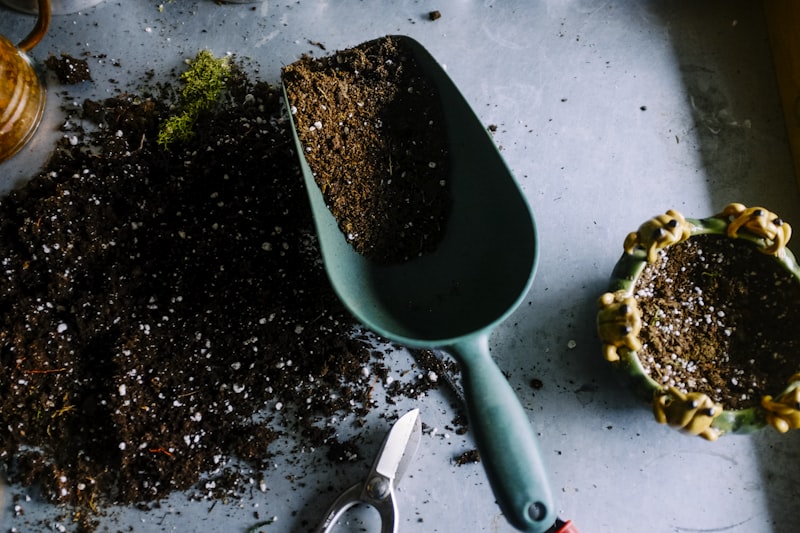
While hydroponics dominates the market, some gardeners prefer soil-based kits for a more traditional approach. Soil-based kits are often cheaper to set up and allow you to use organic potting mixes. However, they are more prone to soil-borne pests like fungus gnats.
If you decide to go with soil, ensure you have proper drainage. You can find excellent containers and soil monitoring sensors in our recommended products section to ensure your plants don't suffer from root rot, which is a common issue discussed in our guide on how often indoor plants should be watered.
Maximizing Your Indoor Vegetable Yield
To get the most out of your indoor vegetable gardening kits, you need to manage your harvest strategically. Don't crowd your plants; most kits recommend spacing pods to allow for adequate airflow. Air circulation prevents mold and encourages stronger stems.
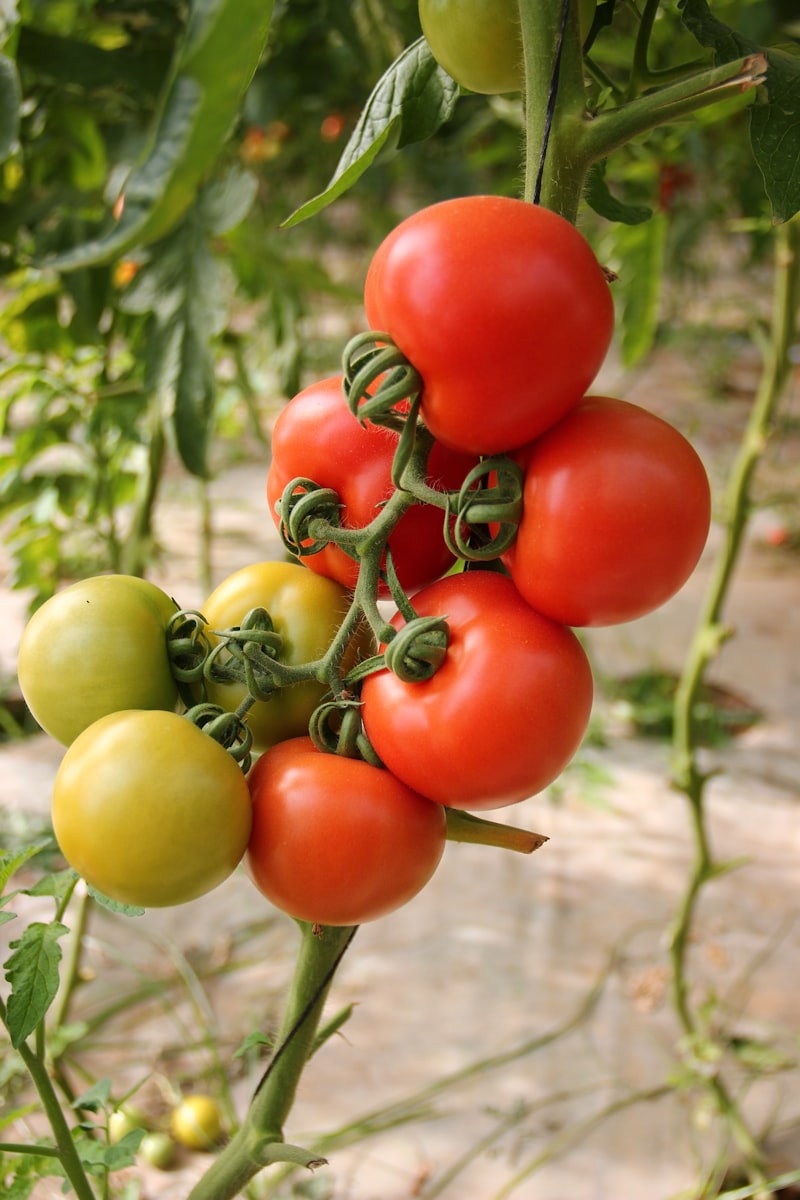
When growing fruiting vegetables like peppers or cherry tomatoes, remember to occasionally 'pollinate' the flowers by gently shaking the plant or using a small brush. This simple step significantly increases your yield indoors.
Frequently Asked Questions
Can I grow any vegetable in these kits?
Most kits are designed for greens, herbs, and dwarf vegetable varieties. While you can grow cherry tomatoes and peppers, large vegetables like pumpkins or full-sized potatoes are generally not suitable for standard countertop units.
How much electricity do these kits use?
Most modern LED-based kits are highly efficient. A standard countertop unit typically uses about as much energy as a single lightbulb, making them very affordable to run year-round.
Do I need to add extra fertilizer?
Most kits come with a proprietary nutrient solution. It is best to stick to the manufacturer's recommendations to avoid 'burning' your plants with too much salt build-up in the water or soil.
Are these kits safe for pets?
Generally, yes, but be mindful of the plants you choose to grow. Some herbs, like chives, can be toxic to cats and dogs if ingested. Always check the toxicity levels of your seeds before planting.
EWUGI may earn a small commission on qualifying purchases through affiliate links, at no extra cost to you.