Why Choose Hydroponics for Your Indoor Garden?
Stepping into the world of indoor gardening can be intimidating, but choosing the best hydroponic systems for beginners is the perfect way to fast-track your success. Unlike traditional soil gardening, which can be messy and prone to pests, hydroponics uses nutrient-rich water to feed plants directly. If you are new to the hobby, check out our indoor gardening beginners guide to understand the basics of setting up a productive green space.
Hydroponic gardening is efficient, uses less water than soil, and often results in faster growth cycles. Whether you have a tiny apartment or a spacious home, there is a system suited for your lifestyle. To get started, you may want to review our recommended products for essential tools.
Types of Hydroponic Systems Explained
Before jumping into a purchase, it helps to understand how different systems function. Not all setups are equal, and some are much more user-friendly for newcomers.
Deep Water Culture (DWC)
DWC is arguably the simplest form of hydroponics. It involves suspending plant roots directly in a reservoir of nutrient-rich water. An air pump and air stone are used to provide oxygen to the roots, preventing rot. It is affordable, quiet, and perfect for growing lettuce or fast-growing herbs like basil, which we discuss in detail in our article on best herbs to grow indoors.
Nutrient Film Technique (NFT)
NFT systems involve a thin, continuous flow of nutrient solution over the roots of plants in a slanted channel. This method is incredibly efficient but requires a pump that must never fail, or your plants could dry out quickly. It is better for those who have a little more experience with plumbing and maintenance.
Ebb and Flow (Flood and Drain)
This system works by periodically flooding a tray with nutrient solution and then draining it back into a reservoir. It is very versatile, but for a true beginner, we usually recommend simpler plug-and-play kits found on our recommended products page.
Top Picks for Beginner Systems
If you aren't ready to build a system from scratch, there are several excellent pre-made kits available. Here are the best hydroponic systems for beginners currently on the market:
- Aerogarden Harvest: This is a gold standard for home use. It is fully automated, making it nearly impossible to fail. You can find options on Amazon.
- Click and Grow Smart Garden: Perfect for those who want a "set it and forget it" experience. It uses pre-seeded pods, which removes the guesswork of planting seeds. View these kits on Amazon.
- IDOO Hydroponic Growing System: A great mid-range option that offers more space for larger plants than entry-level units. Check the latest models on Amazon.
For those looking to expand, consider how you can make an indoor garden that produces real food to supplement your grocery needs.
Essential Tips for Success
No matter which system you choose, success depends on a few consistent habits. Always keep your lights on a timer (typically 12–16 hours a day) and monitor your water pH levels. While soil naturally buffers pH, hydroponic water can fluctuate, which is why regular testing is vital.
Frequently Asked Questions
Is hydroponics difficult for beginners?
Not at all! By using self-contained kits, you remove the complexity of plumbing and electrical work. Most systems today come with timers and low-water alerts.
Do I need a lot of space?
No. Many of the best hydroponic systems for beginners are designed for countertops, taking up less than a square foot of space.
Can I grow everything in a hydroponic system?
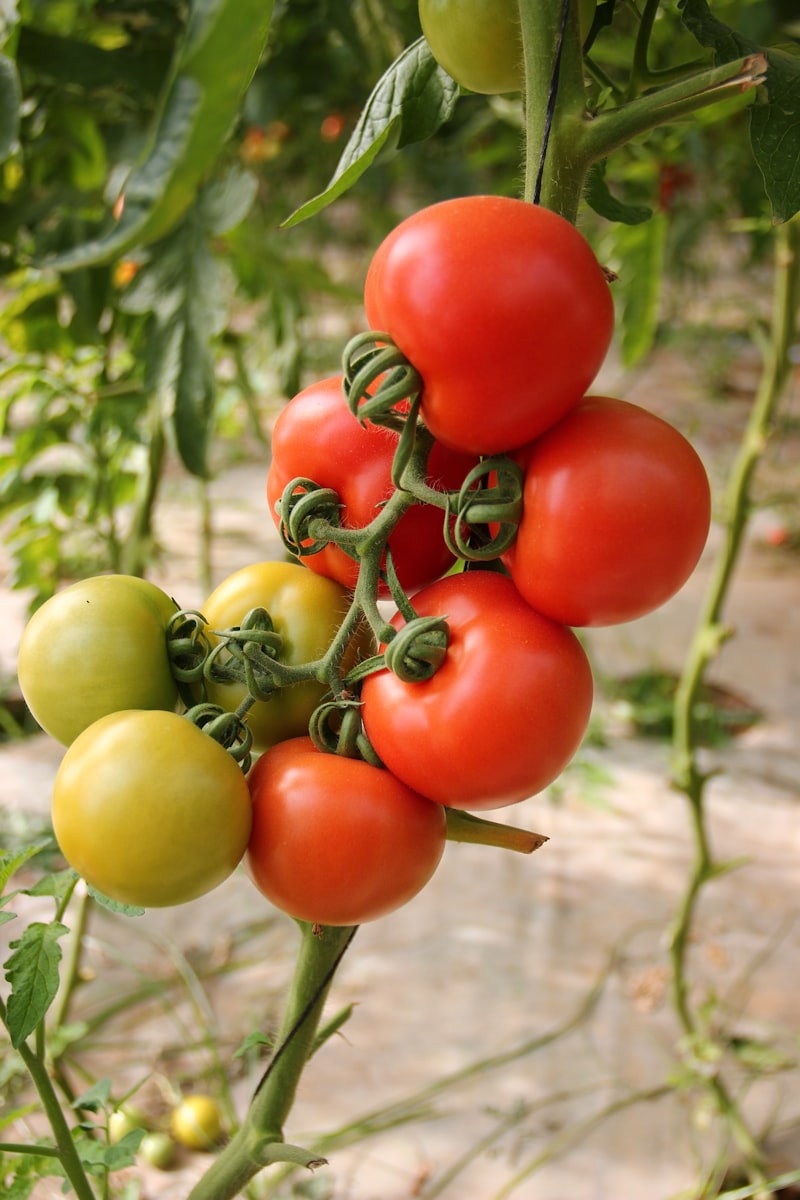
While you can grow almost anything, beginners should stick to leafy greens and herbs initially. Fruit-bearing plants like tomatoes require more advanced nutrient balancing.
How often should I change the water?
Depending on the system size, you should refresh the water and nutrients every two to three weeks to ensure your plants are receiving adequate nutrition without salt buildup.
EWUGI may earn a small commission on qualifying purchases through affiliate links, at no extra cost to you.