Why Soil Matters for Indoor Plants
Many novice indoor gardeners make the mistake of assuming that any dirt from the backyard will work for their pots. If you are wondering how to choose the right soil for indoor plants, the first thing to understand is that indoor containers are a closed ecosystem. Unlike outdoor ground soil, indoor containers rely entirely on you to provide the perfect balance of aeration, moisture retention, and drainage. Before you start planting, be sure to check out our indoor gardening beginners guide to get a firm grasp on the fundamentals of container health.
Understanding Potting Mix vs. Garden Soil
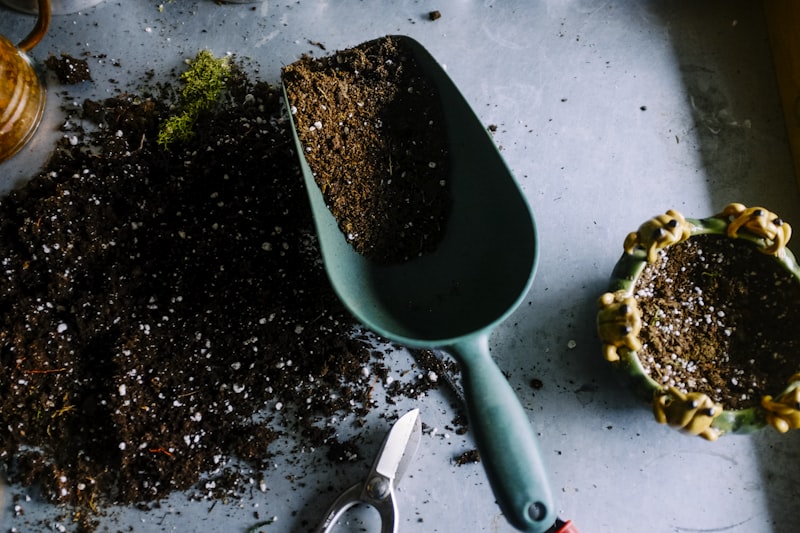
The most important rule in indoor gardening is to avoid using garden soil or topsoil in containers. Garden soil is often too heavy and can become compacted, which chokes plant roots and leads to poor drainage. When you choose the right soil for indoor plants, you are essentially looking for a "potting mix." These are typically soilless blends made of peat moss, coconut coir, perlite, and vermiculite designed to remain light and fluffy even after repeated watering.
Key Ingredients to Look For
When shopping for potting mixes on our recommended products page, keep an eye out for these essential components:
- Peat Moss or Coconut Coir: These provide the bulk of the soil, helping to retain moisture while remaining lightweight.
- Perlite: Those little white bits you see in soil. They are essential for aeration and drainage.
- Vermiculite: Helps with water retention and holds nutrients so your plants can access them easily.
- Compost: Provides the necessary nutrients to keep your indoor herbs or greens fed.
Customizing Your Soil Mix
The best soil for an indoor herb garden might be very different from the soil needed for a succulent. If you are setting up your first indoor patch, read our growing herbs indoor setup guide to learn how to prepare your pots. For most leafy indoor crops, a high-quality, all-purpose organic potting mix works wonders. However, you can always improve your mix by adding extra perlite for drainage if you find your plants are staying wet for too long. If you are specifically interested in edible plants, check out our tips on how to grow indoor herbs step-by-step.
Common Soil Pitfalls to Avoid
Even when you know how to choose the right soil for indoor plants, mistakes happen. The most common issue is overwatering combined with heavy soil, which leads to root rot. If your plants are constantly struggling, you might need to adjust your watering schedule; learn more about that in our guide on how often should indoor plants be watered. Always ensure your pots have drainage holes, regardless of how great your soil mix is.
Frequently Asked Questions
Can I reuse my indoor potting soil?
It is generally not recommended to reuse soil for multiple growing seasons. Over time, the organic components break down, nutrients are depleted, and salt buildup from fertilizers can occur. It is best to start fresh for each new planting cycle.
How do I know if my soil is the problem?
If your soil stays wet for more than a few days after watering, feels like heavy clay, or has a moldy smell, it is likely the wrong type or has become too compacted. Repotting with a fresh, airy mix is usually the solution.
What is the difference between peat moss and coco coir?
Both are excellent for moisture retention. Peat moss is more acidic and decomposes faster, while coconut coir is a sustainable byproduct of the coconut industry and is generally more neutral in pH.
EWUGI may earn a small commission on qualifying purchases through affiliate links, at no extra cost to you.