Introduction
When it comes to gardening, many enthusiasts often find themselves pondering the question of indoor gardening vs outdoor gardening. Each method has its own merits and challenges, making it essential to understand the distinctive features of both before embarking on your gardening journey. Whether you’re an urban dweller with limited space or someone with a lush outdoor area, knowing the pros and cons can significantly affect your gardening experience.
Benefits of Indoor Gardening
Indoor gardening has gained immense popularity in recent years, especially among those who reside in apartments or regions with harsh climates. Here are some key benefits of indoor gardening:
- Controlled Environment: Indoor gardening allows you to control light, temperature, and humidity levels, creating perfect growing conditions year-round.
- Pest Management: With fewer pests in the controlled confines of your home, you can reduce the need for pesticides and other harmful chemicals.
- Space Efficiency: Even with limited space, indoor gardening enables you to grow a variety of plants using vertical gardening techniques or container gardening.
- Accessibility: For those with mobility challenges, indoor gardening provides easy access to plants without the physical strain of outdoor gardening.
- Year-Round Harvest: You can grow your herbs and vegetables all year round, regardless of external weather conditions.
Challenges of Indoor Gardening
While indoor gardening has many advantages, there are also some challenges that come with it:
- Lighting: Ensuring plants receive adequate light can be a challenge, requiring the use of grow lights in some cases.
- Space Limitations: With limited space, you may not be able to grow larger plants or a wide variety of crops.
- Humidity Control: Indoor air can sometimes be too dry, requiring additional measures to maintain humidity levels suitable for plant growth.
- Setup Costs: Setting up an indoor garden might require initial investment in tools, containers, and lighting systems.
Benefits of Outdoor Gardening
Outdoor gardening offers a contrasting set of benefits that many find appealing. Here are some of the advantages:
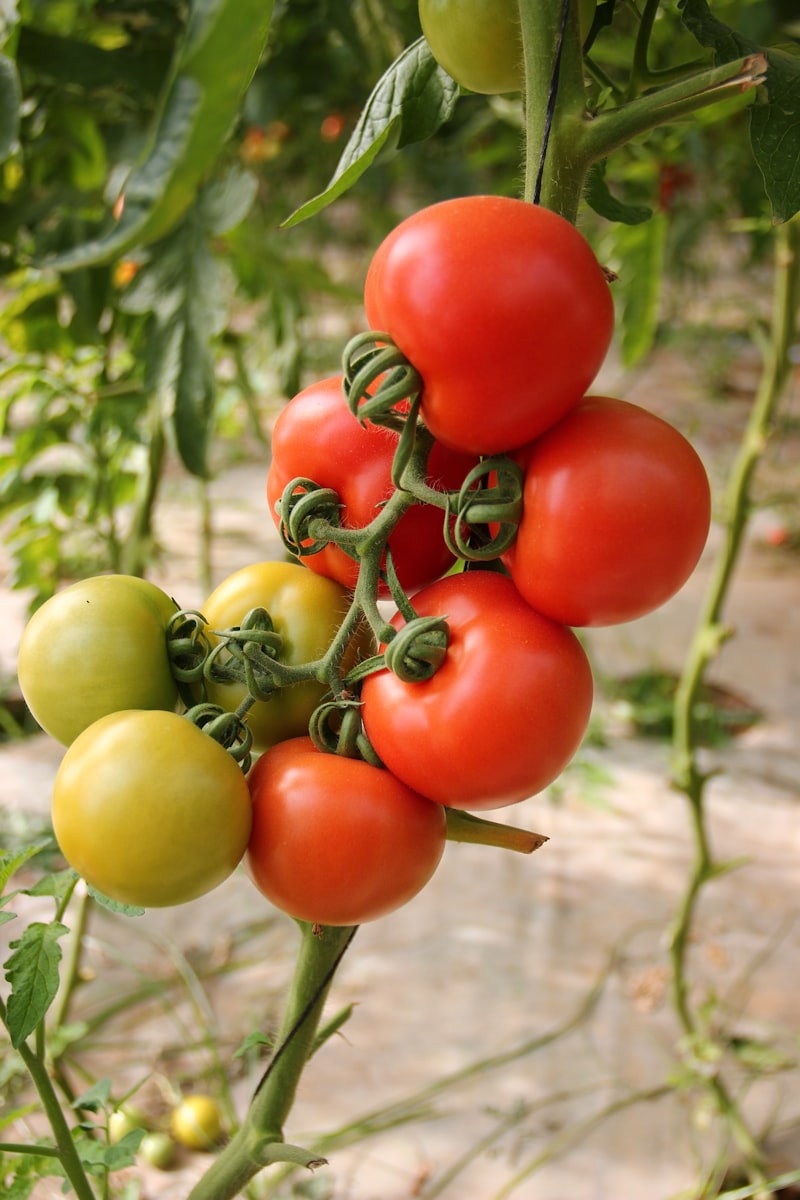
- Natural Sunlight: Plants have access to abundant natural sunlight, fostering healthier growth and yielding higher quality produce.
- Space Availability: Typically, outdoor spaces allow for larger gardens, which means the potential for growing a wider variety of plants, including larger vegetables.
- Soil Health: Utilizing natural soil can promote biodiversity, which is beneficial for the ecosystem and can enhance plant health.
- Cost-Effectiveness: Outdoor gardening might require less investment in terms of grow lights and containers compared to indoor gardening.
- Pest Attraction: Outdoor plants can take advantage of beneficial insects that help with pollination and pest control.
Challenges of Outdoor Gardening
Despite its overwhelming benefits, outdoor gardening has its fair share of challenges as well:
- Weather Dependency: Outdoor gardens are subject to weather conditions, which can limit planting times and yield.
- Pests and Diseases: Insects and diseases can threaten your plants, leading to the potential need for chemical interventions.
- Seasonal Limitations: Depending on your climate, growing seasons may be limited, restricting your garden’s productivity.
- Physical Challenges: Outdoor gardening often requires more physical strength and endurance for activities like digging and weeding.
Unique Features in Comparison—Indoor Gardening vs Outdoor Gardening
In order to help you decide which method is best for you, here is a comparison of the unique features of both indoor and outdoor gardening:
Space Requirements
Indoor gardening allows for more flexible options where even a small countertop can host plants. Compare that to outdoor gardening, which generally requires significantly more square footage.
Cost and Setup
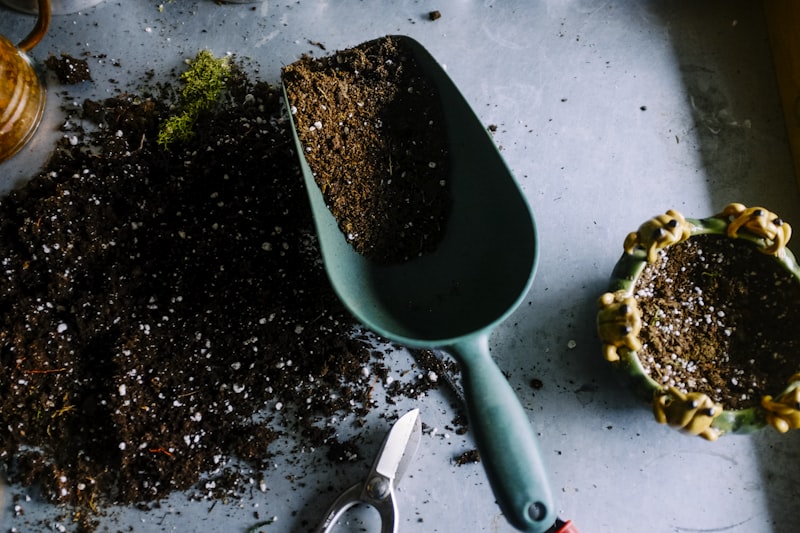
While indoor gardening might require an investment in grow lights and containers, outdoor gardening may involve expenses such as soil amendments, fencing, and irrigation systems. Your budget will play a significant role in this decision.
Plant Varieties
Outdoor gardening can accommodate a wider range of larger plants, while indoor gardening typically focuses more on herbs and smaller houseplants. If you have a specific type of garden in mind (e.g., herb garden), you may explore our article on the best herbs to grow indoors.
Pest Control
Indoor gardens generally have fewer pests, making it easier to manage plant health, which is a significant advantage over outdoor setups where various pests can become a challenge.
Choosing What’s Right for You
Your selection between indoor gardening vs outdoor gardening depends largely on your personal circumstances. Consider the following factors:
- Living Environment: If you live in an apartment with limited light or space, indoor gardening may be a perfect choice.
- Climate: Areas with harsh climates may benefit more from the controlled environment of indoor gardening.
- Available Space: Assess how much outdoor space you have, as bigger gardens offer different growing possibilities.
- Goal: What do you want to grow? If you aim for herbs, our detailed guide on how to grow herbs indoors year-round will be helpful.
Frequently Asked Questions
Can I grow vegetables indoors?
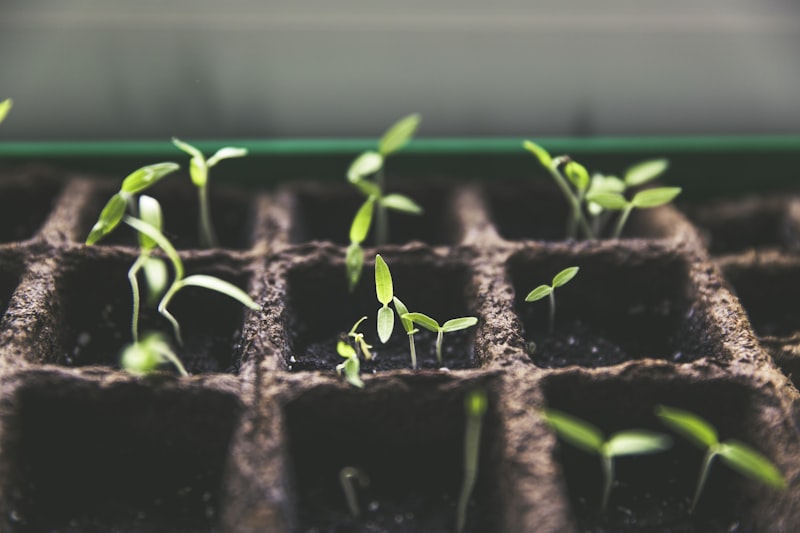
Yes, many vegetables can be successfully grown indoors with the right conditions—adequate light, soil, and moisture.
Which method is more cost-effective?
It depends on what you’re growing and your setup. Indoor gardening can require more initial investments, while outdoor gardening might incur costs from soil and other gardening supplies. It’s important to assess your specific needs.
Is there any overlap between indoor gardening and outdoor gardening?
Definitely! For instance, many people grow herbs indoors and then move them outside during the growing season. This hybrid approach can maximize your gardening efficiency.
What are ideal indoor plants for beginners?
Some of the best options include herbs like basil, mint, and parsley. For more details, visit our guide on what works for growing herbs indoors.
Conclusion
In summary, understanding indoor gardening vs outdoor gardening is crucial for anyone looking to grow plants, whether for aesthetics, food, or sustainability. Think about your space, climate, and preferences to make an informed decision that suits your lifestyle. Both indoor and outdoor gardening can be rewarding in their own ways, and many gardeners choose to incorporate both to enjoy the best of both worlds.
For more tips and detailed guides, explore EWUGI’s resources, and get started on your gardening adventure!
EWUGI may earn a small commission on qualifying purchases through affiliate links, at no extra cost to you.