Choosing the Perfect Light for Your Indoor Harvest
If you have ever wondered why your seedlings are leggy or your herbs refuse to bush out, the answer usually lies in your lighting. Selecting the top grow lights for indoor gardening is the single most important decision you will make when building your home oasis. Without proper light, even the best soil and consistent watering won't save your plants from stunted growth.
For beginners starting their journey with indoor gardening, the market can feel overwhelming. From blurple LEDs to sleek full-spectrum panels, understanding the technology is key to growing food successfully. Whether you are cultivating herbs on your kitchen counter or setting up a vertical farm, this guide will walk you through everything you need to know.
Why Indoor Plants Need Specialized Lighting
Plants rely on photosynthesis to convert light energy into food. While a sunny window might seem sufficient, most indoor spaces provide far less light intensity than the sun, even during the summer. Using the top grow lights for indoor gardening bridges this gap by providing the precise wavelengths—typically red and blue—that plants need for vegetative growth and flowering.
If you are serious about making your indoor garden produce real food, you need to move beyond standard household bulbs. These lights are often inefficient and lack the spectral quality required for fruit production or dense foliage.
Types of Grow Lights Explained
1. LED Grow Lights
LEDs are the gold standard for modern indoor growers. They are energy-efficient, produce very little heat, and have a long lifespan. When looking for the best performance, look for full-spectrum LEDs that mimic natural sunlight.
2. Fluorescent Lights (T5/CFL)
Commonly used for starting seeds or growing low-light herbs, T5 fluorescent fixtures are affordable and effective for small setups. While they don't produce as much intensity as high-end LEDs, they are a great entry point for those learning how to grow herbs indoors.
3. High-Intensity Discharge (HID)
These lights, including Metal Halide and High-Pressure Sodium, are powerful but generate significant heat. They are generally recommended for advanced growers with large dedicated grow tents rather than casual indoor hobbyists.
Key Features to Consider
- Spectrum: Ensure the light covers both red (for flowering/fruiting) and blue (for vegetative growth) wavelengths.
- PAR Rating: Photosynthetically Active Radiation (PAR) measures how much light the plant can actually use. Higher is generally better for food-producing plants.
- Coverage Area: Always check the manufacturer's suggested footprint to ensure the light is appropriate for the size of your garden.
For a list of our personally tested and approved hardware, visit our recommended products page to see what we trust in our own setups.
Top Recommendations for Every Budget
If you are looking for reliable options to get started, consider these top-rated solutions available on Amazon:
- Best Budget Option: Roleadro Full Spectrum LED Panel - Perfect for small herb collections.
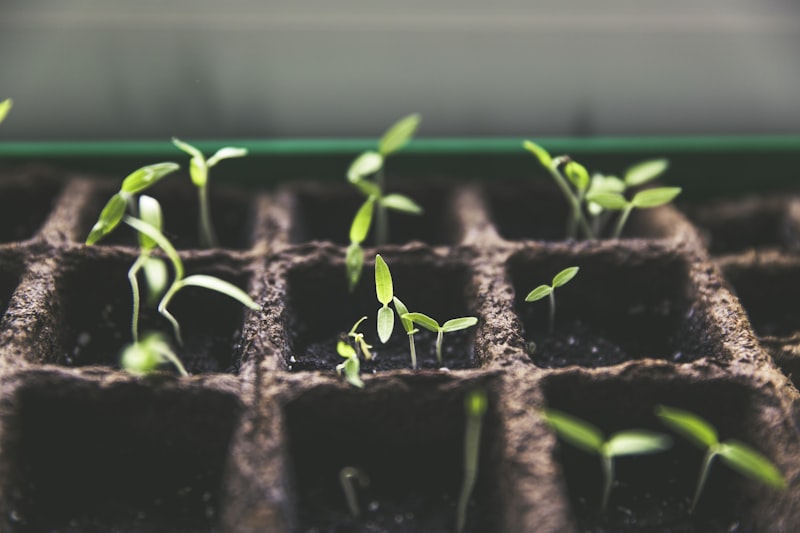
- Best for Seed Starting: Standard T5 Fluorescent Fixtures - Gentle and effective for delicate sprouts.
- Best High-Performance: Spider Farmer SF-1000 LED - Excellent for maximizing yields in tight spaces.
Frequently Asked Questions
Do I really need a grow light for indoor herbs?
While some herbs can survive in a very bright south-facing window, most will struggle during the winter months. Using one of the top grow lights for indoor gardening will drastically increase your success rate and ensure your plants stay healthy year-round.
How far should my lights be from the plants?
This depends on the intensity of your light. As a general rule, start with the light 12-18 inches above the canopy. Watch for signs of leaf burn (bleaching or drying) and adjust accordingly. If the plants start stretching, lower the light closer to them.
Should I leave grow lights on 24/7?
No. Plants need a dark period to respire and rest, just like humans. Most indoor food crops require 12-16 hours of light per day, followed by 8-12 hours of darkness to mimic a natural day-night cycle.
How can I tell if my grow lights are enough?
If your plants are "leggy"—meaning they have long, thin stems with space between the leaves—they are likely "reaching" for more light. If they look dense, dark green, and compact, your lighting setup is likely perfect.
EWUGI may earn a small commission on qualifying purchases through affiliate links, at no extra cost to you.