Introduction to Indoor Herb Gardening
Learning how to start a herb garden indoors is one of the most rewarding projects for any home cook or gardening enthusiast. Not only do fresh herbs elevate the flavor of your culinary creations, but they also bring life, fragrance, and greenery into your living space. At EWUGI, we believe that anyone can grow food, regardless of their living situation. If you are new to the world of indoor plants, you might want to start with our indoor gardening beginner's guide to get a solid foundation.
Many people assume they need a massive backyard or a greenhouse to enjoy fresh harvests, but that is simply not true. You can easily cultivate a thriving herb collection on a sunny windowsill or a dedicated shelf. By following these essential steps, you will learn exactly how to manage light, water, and soil to keep your plants happy year-round.
Choosing the Right Spot for Your Herbs
The success of your indoor garden depends heavily on location. Most herbs require plenty of light, ideally between 6 to 8 hours of direct sunlight per day. South-facing windows are usually your best bet. If your home lacks natural light, don't worry—you can always supplement with LED grow lights found in our recommended products list.
Before you begin, it helps to understand if herbs will grow indoors in your specific environment. Temperature also plays a key role; ensure your herbs are kept away from drafty doors, cold windowsills in winter, or direct blasts of heat from radiators, as fluctuating temperatures can stress the plants.
Selecting Your Herbs
Not all plants thrive equally well in an indoor environment. If you are wondering which varieties to pick, check out our guide on the best herbs to grow indoors. For beginners, we recommend starting with hardy, low-maintenance options such as:
- Basil: Loves warmth and sunshine.
- Mint: Very resilient, but keep it in its own pot as it spreads rapidly.
- Chives: Perfect for beginners and grows quickly.
- Parsley: Prefers cooler spots and consistent moisture.
For more specific advice on which plants are right for your space, read our article on herbs growing inside what works.
Essential Equipment and Supplies
To start your garden on the right foot, you need the right tools. You don't need to break the bank, but you should invest in quality basics. Here is a quick list of what you should check out in our recommended products section:
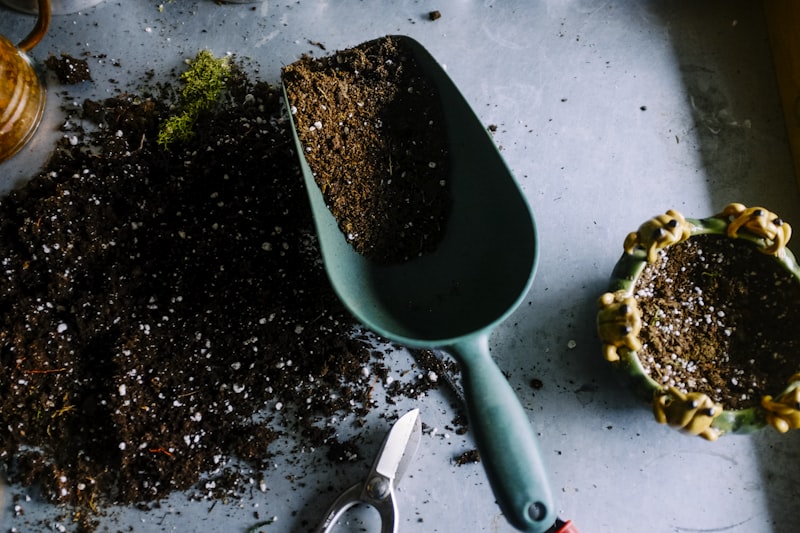
- High-quality potting mix: Avoid using garden soil, which can contain pests or diseases.
- Pots with drainage holes: Proper drainage is critical to prevent root rot.
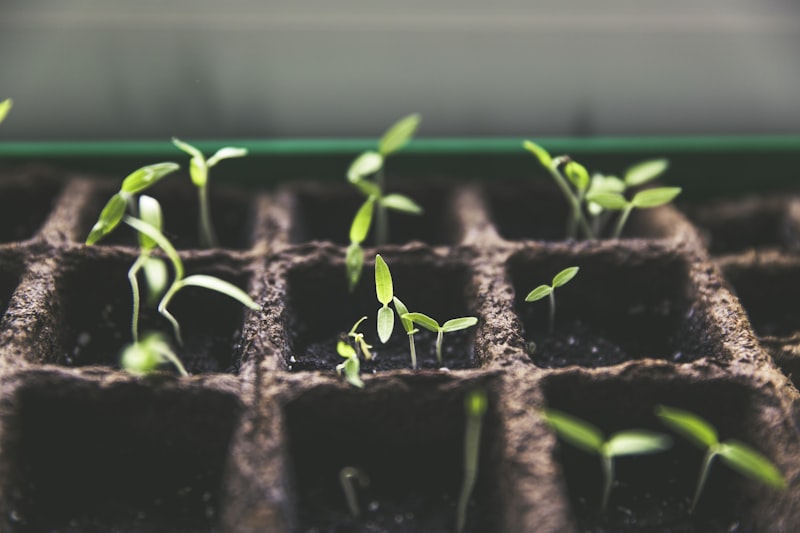
- Quality Seeds or Starters: You can find great options on Amazon, such as these organic herb seed kits.
- Small watering can: To control the flow of water.
Maintenance: Water, Fertilizer, and Pruning
Understanding how to start a herb garden indoors is only half the battle; maintenance is where your herbs truly thrive. Watering is perhaps the most common area where beginners struggle. You should learn how often indoor plants should be watered to avoid both overwatering and underwatering. Always check the top inch of soil with your finger before adding more water.
Additionally, remember to prune your herbs regularly. Pinching off the tops of your basil or harvesting your parsley from the outside in encourages the plant to grow bushier and produce more foliage. For a more detailed breakdown of the cultivation process, refer to our guide on how to grow indoor herbs step-by-step.
Frequently Asked Questions
Can I grow herbs in low light conditions?
While most herbs prefer bright sunlight, some varieties like mint, parsley, and chives can tolerate lower light levels. However, for best results, we always suggest using artificial grow lights if your windows don't provide adequate sun.
How do I prevent pests in my indoor herb garden?
Keep your plants healthy by ensuring good air circulation and not overwatering. If you notice pests like aphids or spider mites, treat them early with a mild insecticidal soap or neem oil found in our recommended products.
Can I grow herbs from grocery store clippings?
Yes, many herbs like basil, mint, and rosemary can be rooted in water before being transplanted into soil. This is a fun and free way to expand your garden.
How often should I fertilize indoor herbs?
Indoor herbs generally don't need heavy fertilization. Use a balanced, organic liquid fertilizer diluted to half strength once a month during the growing season (spring and summer).
EWUGI may earn a small commission on qualifying purchases through affiliate links, at no extra cost to you.